
Egrets of El Dorado | Volume 1

Volume 1 | Spring 2026
This book documents the spring egret colony at El Dorado Park. It is the first volume in a series following the birdlife of the Indian Bend Wash.
I come to the wash to watch. Before the egrets claimed these ponds, this land was a slough—wild mesquite, seasonal runoff, a low place that vanished between storms. When engineers mapped a flood corridor through the city in the 1960s, they drew a concrete ditch: a 170-foot scar to carry the monsoon away. The city refused, choosing grass over cement. What was designed to control water became, instead, an invitation to linger.
Now the Indian Bend Wash holds what the desert withholds: perennial water, shade, refuge. It lies along the Pacific Flyway, an ancient corridor navigated by memory, magnetism, and instinct. Each spring and autumn, this greenbelt becomes a vital stopover. Great Blue Herons, Neotropic Cormorants, Ruddy Ducks, and the improbable Rosy-Faced Lovebirds—all carving nests from imported palm bark—find something their bodies recognize.
I am trying to learn what the birds already know: how to locate stillness inside an engineered landscape.
This book follows one species among many. Egrets of El Dorado is a single chapter in a longer story I hope to tell—volume by volume, bird by bird—about how a flood-control project became a sanctuary, and how wild things continually renegotiate their place beside the human hand. The egrets do not know the history of this terrain. They only know the water holds fish, the non-native trees hold nests, and the sky above the wash still opens wide enough for wings.


Path, returning home—
white wings find El Dorado
between desert hills.
An oasis in the city,
where water remembers wild.


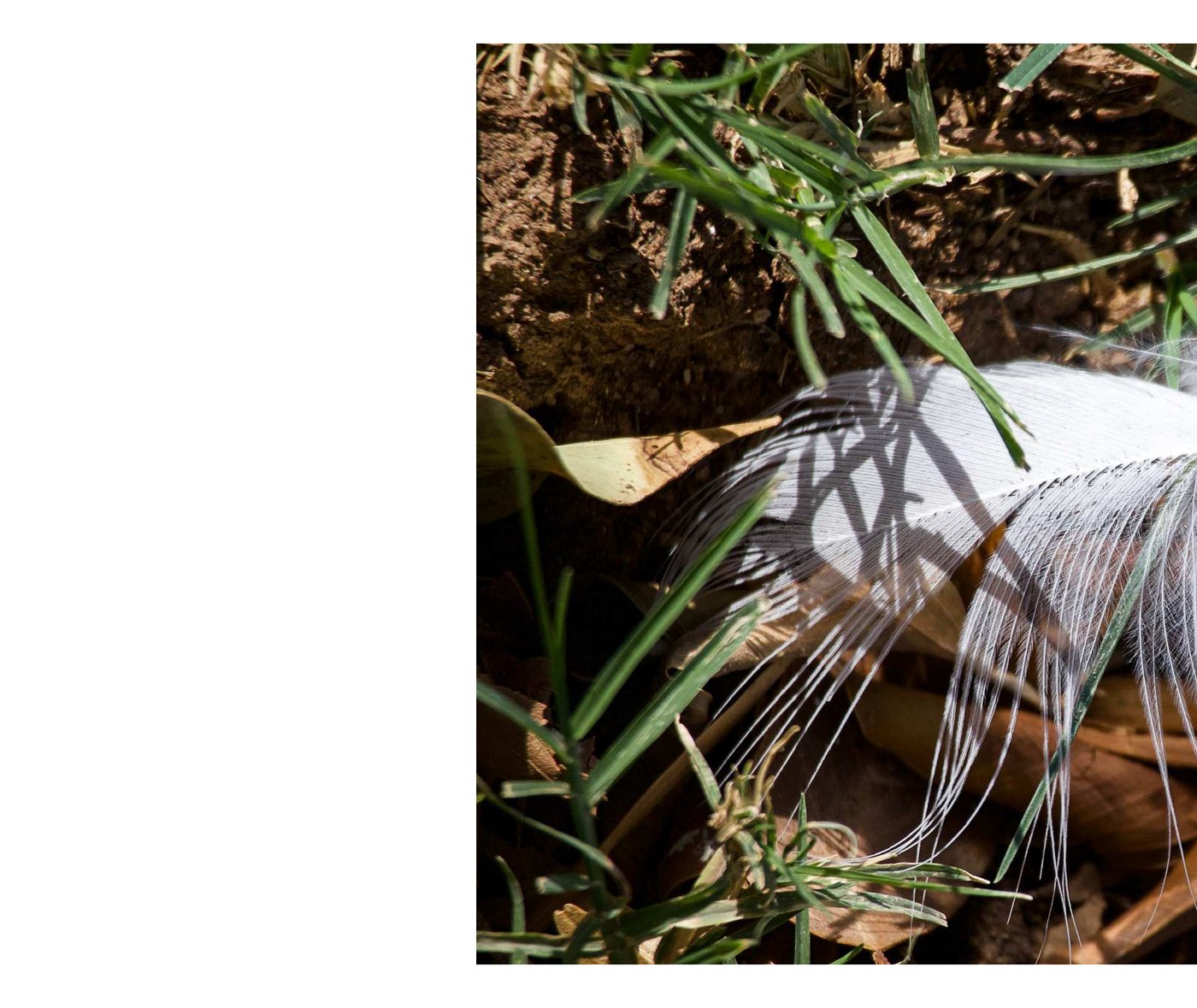
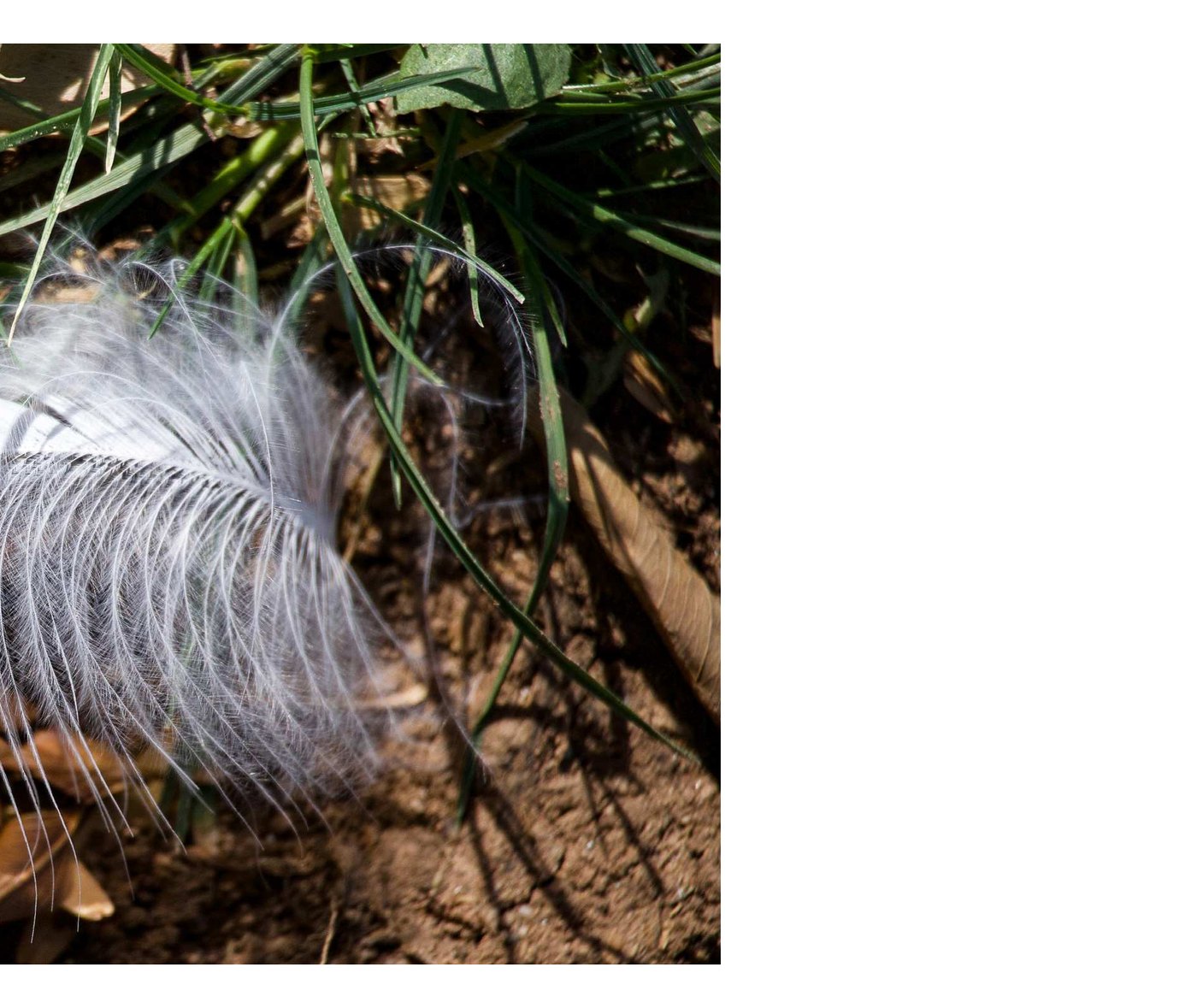
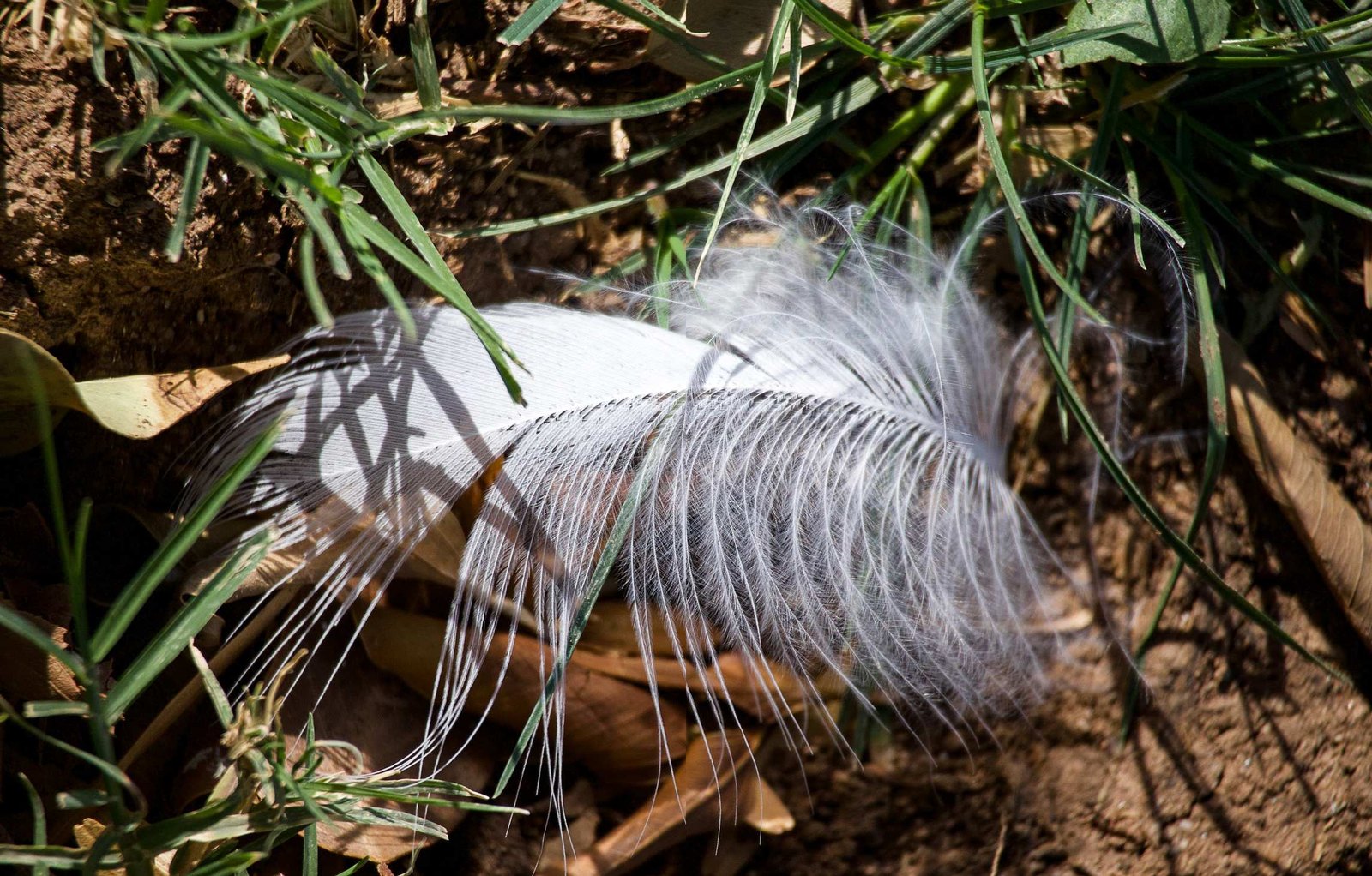
One egret carries a small twig caught in its wing feathers—a quiet reminder that even practiced grace is tangled in the real.

Field Note — June 21, 2026
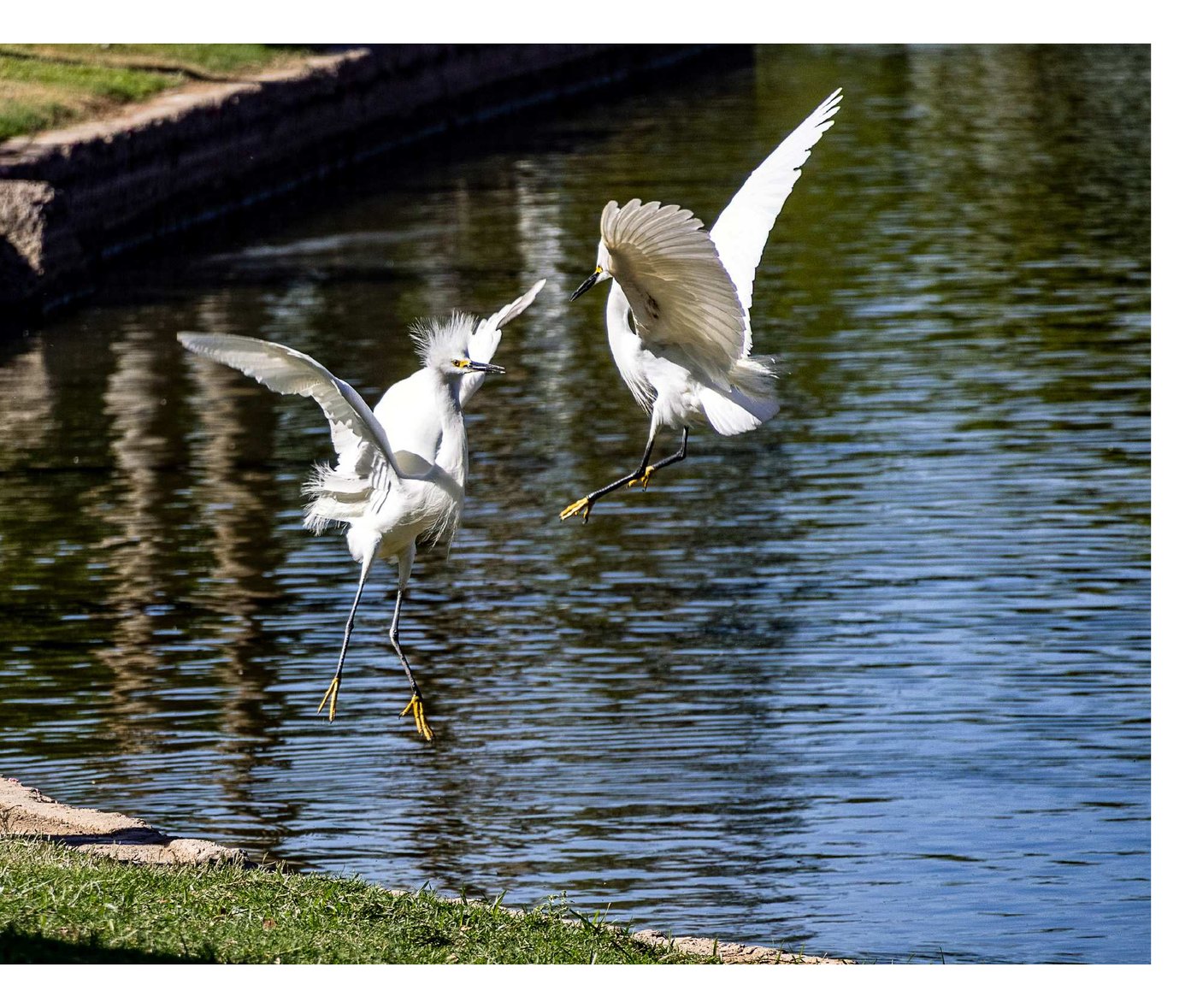
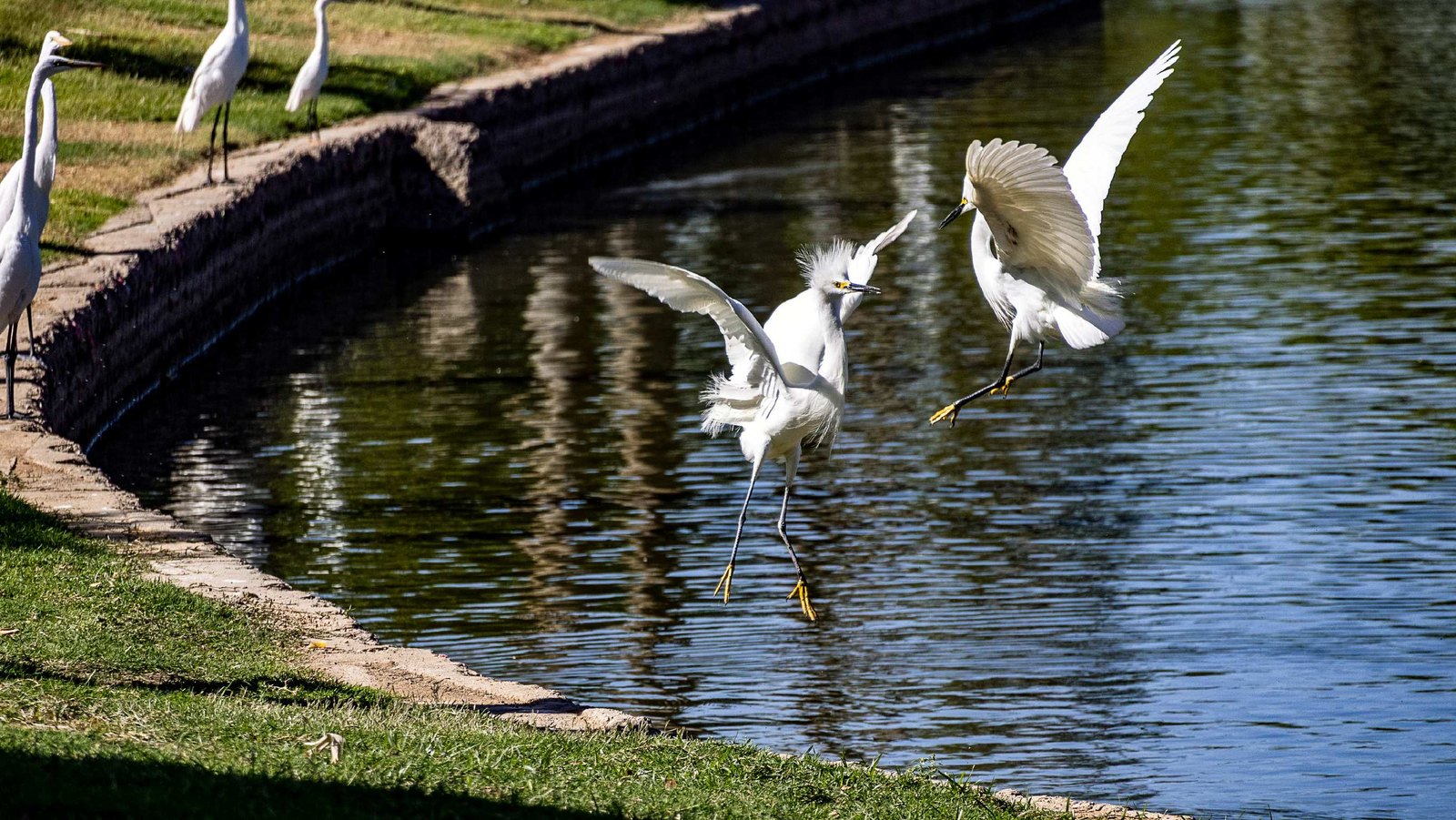
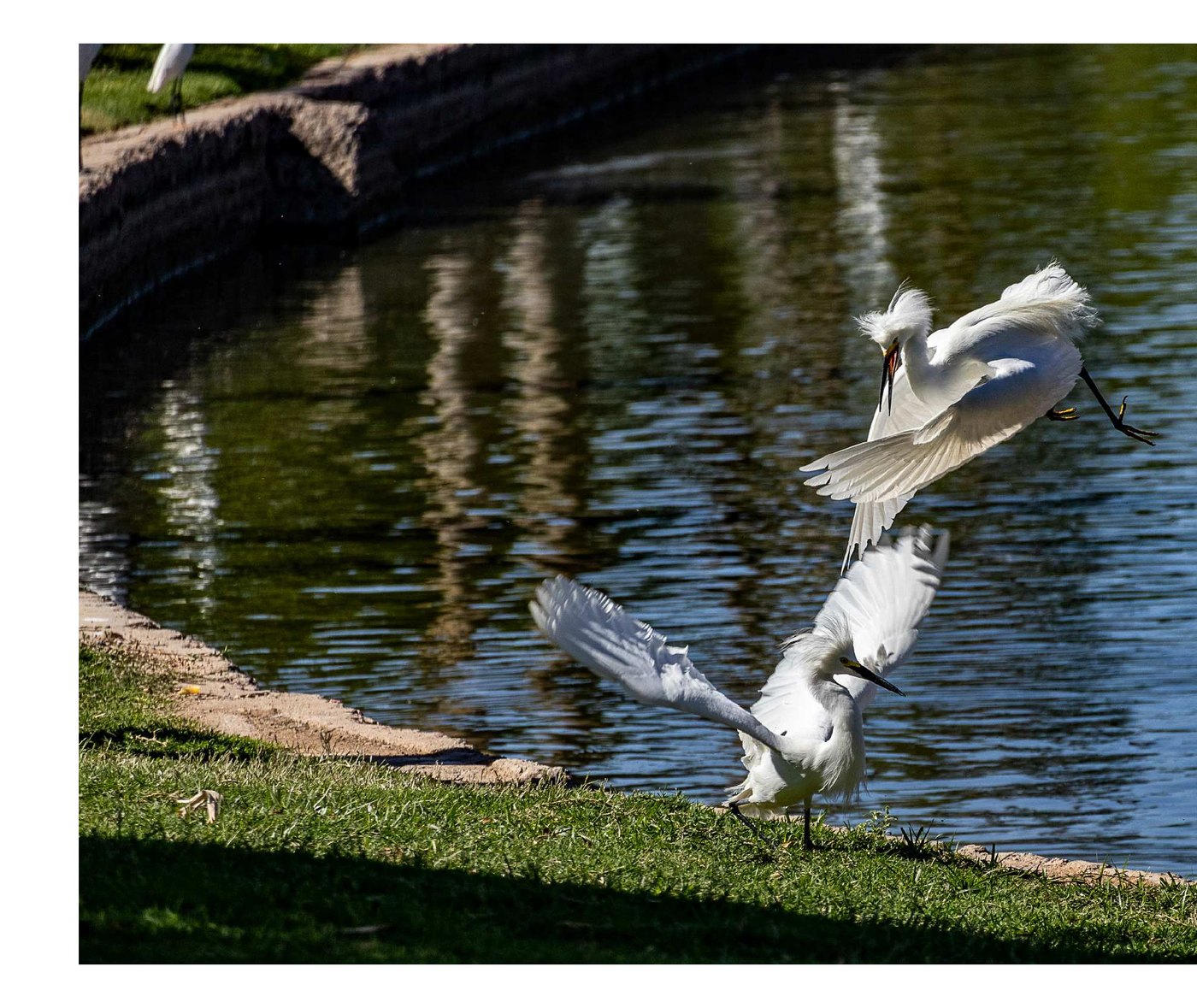
In late May the adults were everywhere. Not scattered, but concentrated—dozens along the same short stretch of water I walk each dawn. Fishing, returning, fishing again. The noise carried. The nestlings were hungry, and the colony moved like one body between the canopy and the shore.
The water’s edge was the center of everything.
Now the pattern has softened. The young are out of the nests, practicing flight at the smaller ponds tucked behind the canopy, close enough that I could throw a stone from one room to the next. The adults watch from the branches. I pass the main lake and see only a few birds where there were many. They have not left. They have simply stepped back into the quieter rhythm that was here before I started looking, and will remain long after I go.
What this volume holds is that brief window when the colony’s entire economy pressed against the shore—loud, visible, urgent—before the young learned to leave the trees. The egrets of the Indian Bend Wash do not migrate through. They have made this corridor their home. But home is not a single point. It is a series of rooms, all within earshot, and I was lucky enough to stand in the doorway during the commotion.


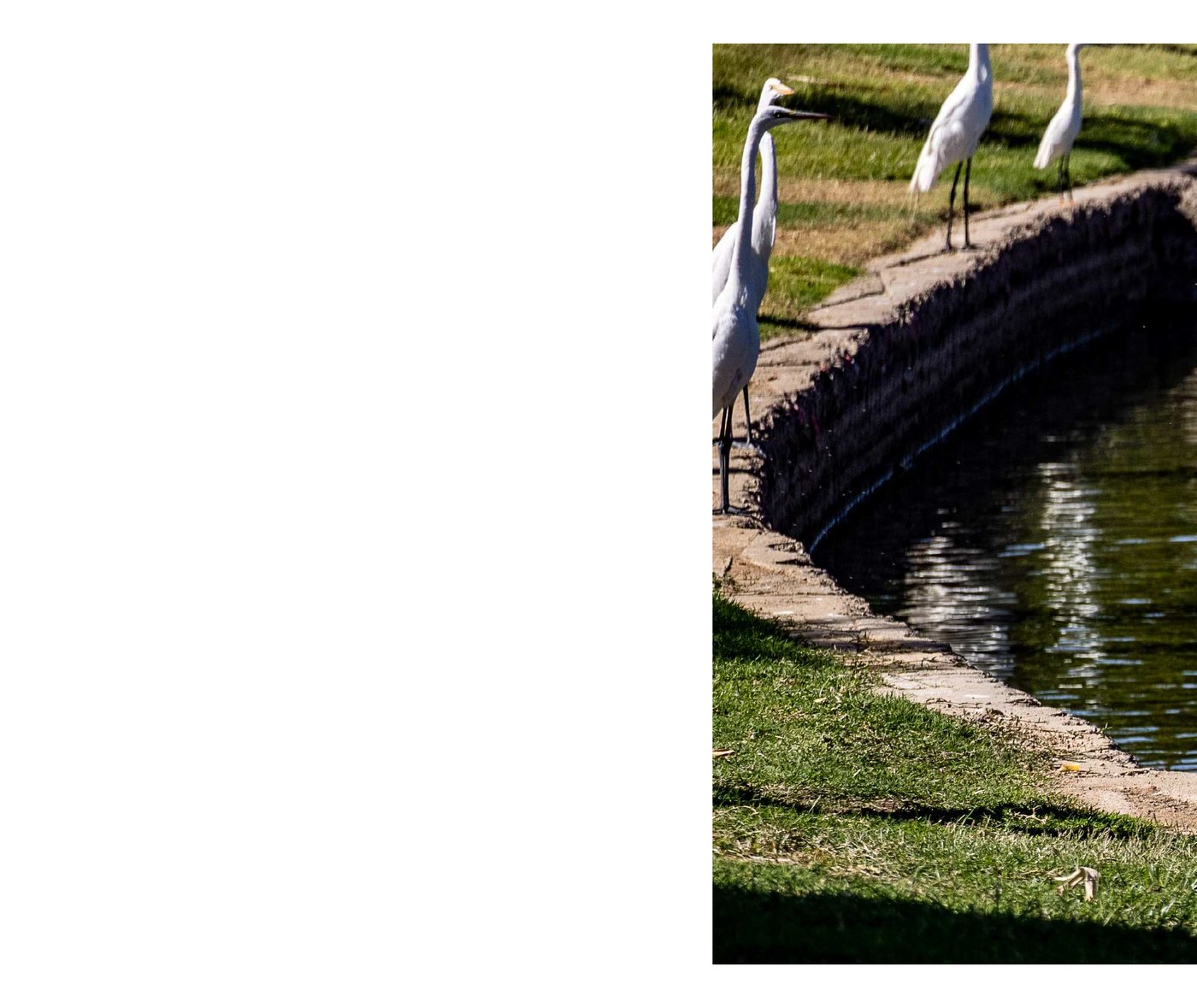
El Dorado Park holds water like a secret in the Sonoran landscape. The egrets have claimed this urban oasis as their own, bending their ancient rhythms to the pulse of Scottsdale. They arrive each season, threading between golf courses and subdivisions, finding in this managed greenspace something their instincts read as sanctuary.
The nesting cycle here is a testament to resilience—raising families within earshot of traffic, weaving nests above joggers and dog walkers. Yet they persist with the same focused grace their ancestors brought to wild wetlands. The park becomes a threshold place, neither wholly wild nor entirely tamed, where nature adapts its presence to the human grid.


When the wings settle,
the park exhales—white against
manicured green lawns.
A moment’s grace between worlds,
desert and water, wild and kept.


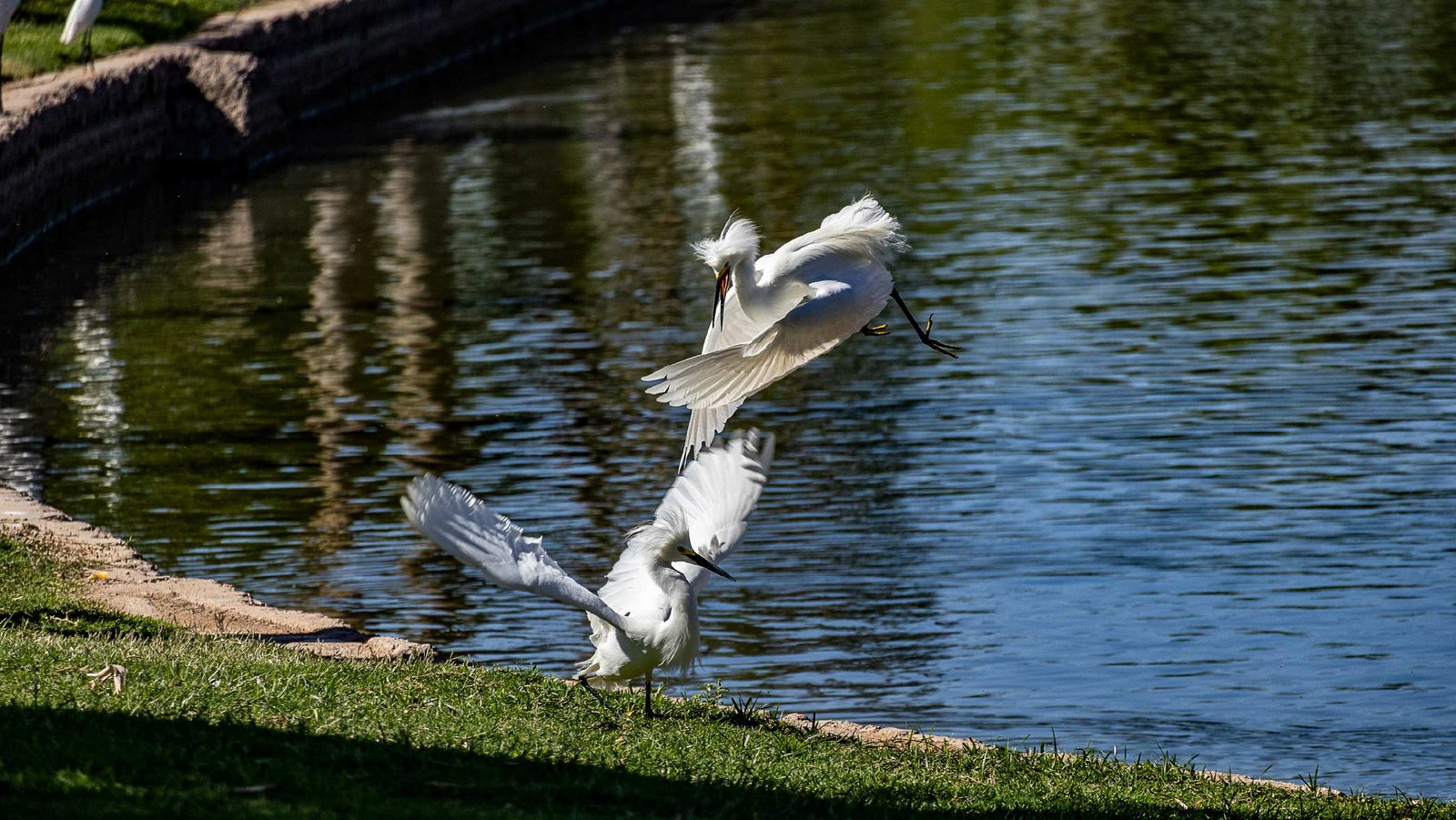
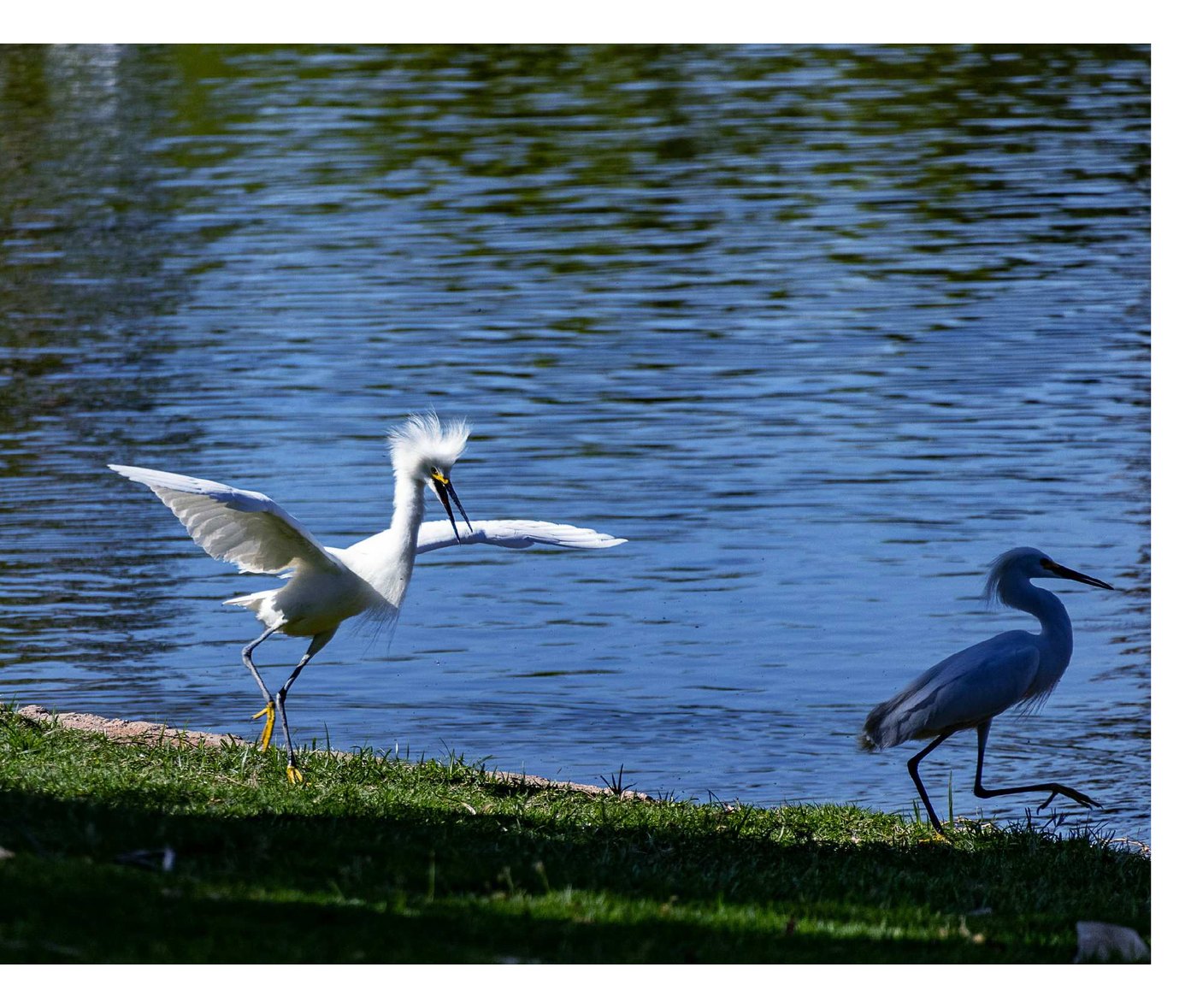
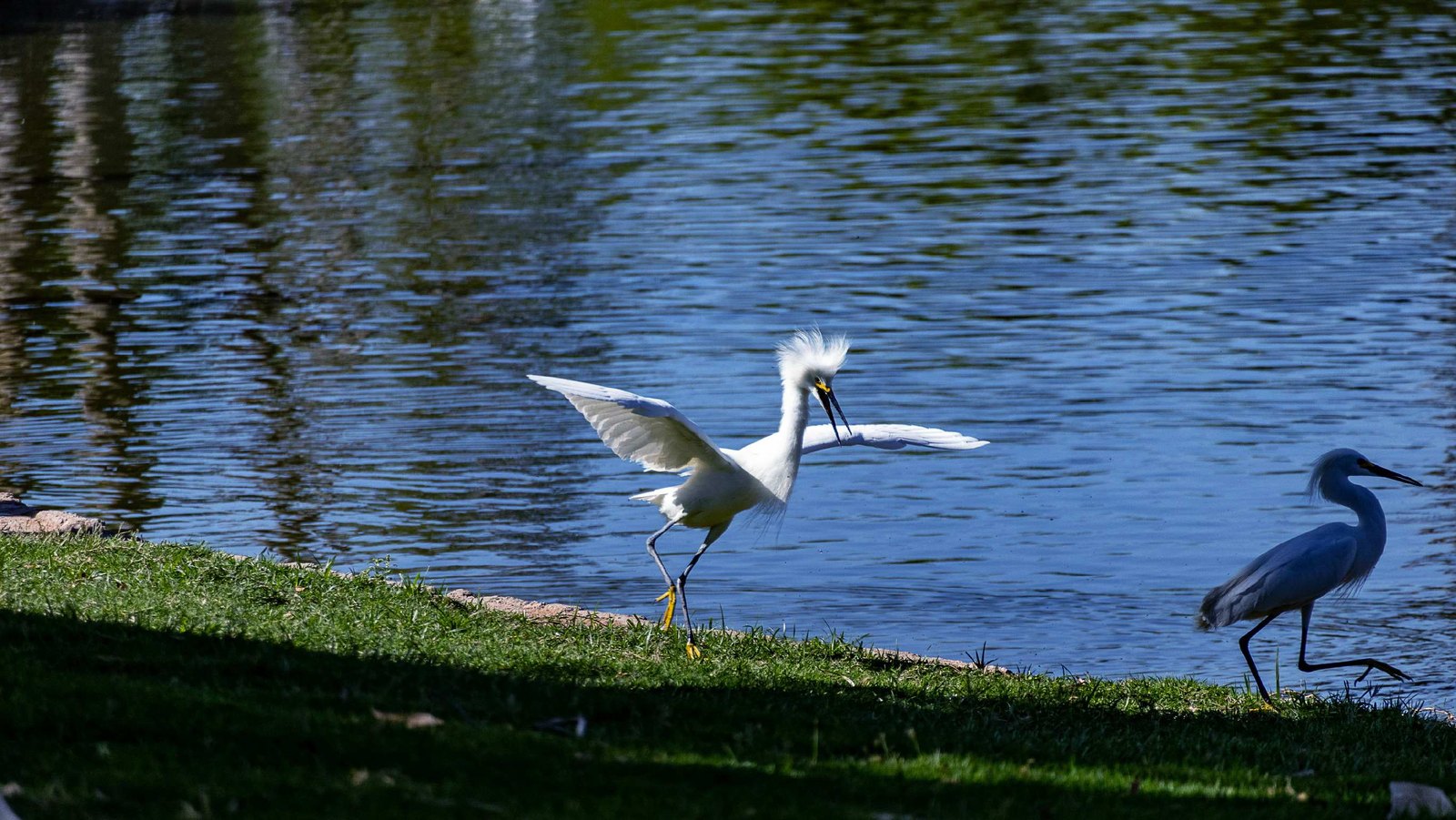

El Dorado holds
no conquistador’s treasure—
just this: egrets wading
through reflections of palm trees,
gold found in the everyday.
In a city built on desert dreams and irrigated ambition, El Dorado Park offers something unexpected—a place where wild birds choose to stay. The egrets fishing in these ponds do not know this water is channeled, filtered, kept full by human design. They only know it holds fish, offers shelter, provides the stage for their elegant rituals.
I watch them from the walking path, these white punctuations in the landscape, and marvel at the quiet agreements of urban wildlife. They have learned to ignore the nearby conversations, the cyclists passing, the children’s laughter. They have made peace with proximity, found their El Dorado not in some mythical elsewhere, but here, in this pocket of green amid the sprawl.

For Billy, who taught me to look up.
And for Chloë, Carole, Bowie, and Luna, who make sure I never stop.
Egrets of El Dorado | Volume 1
Photographs and text by Kelly Brinkley
First edition, Summer 2026
All images were photographed on location at El Dorado Park, Scottsdale, Arizona, between May 15, 2026 and June 4, 2026, using a Canon R50 and a Canon RF-S 55–210mm f/5–7.1 IS STM lens. All tankas and field notes are by the photographer.